Top Digital Media Conversion Services Explained - Media Digitization Services Guide
Preserving old memories and important information stored on analog media is essential in today’s digital world. Whether you have family videos on VHS tapes or business records on old film reels, converting these to digital formats ensures they remain accessible and safe from degradation. In this guide, I will walk you through the top media digitization services available, explaining their benefits, processes, and how to choose the right one for your needs.
Understanding Media Digitization Services Guide
Media digitization services involve converting physical analog media into digital files. This process helps protect your valuable content from damage caused by age, wear, or obsolete playback equipment. Common analog media types include VHS tapes, audio cassettes, film reels, slides, and photographs.
The digitization process typically involves:
Playback and capture: Using specialized equipment to play the original media and capture the content digitally.
File conversion: Transforming the captured content into widely supported digital formats like MP4, JPEG, or WAV.
Restoration and enhancement: Optional steps to improve audio and video quality by reducing noise, correcting colors, or stabilizing images.
Delivery: Providing the digital files on USB drives, DVDs, or cloud storage.
Choosing a professional service ensures high-quality results and careful handling of your original media. Many services also offer bulk conversion options, making it easier for families and businesses to digitize large collections efficiently.
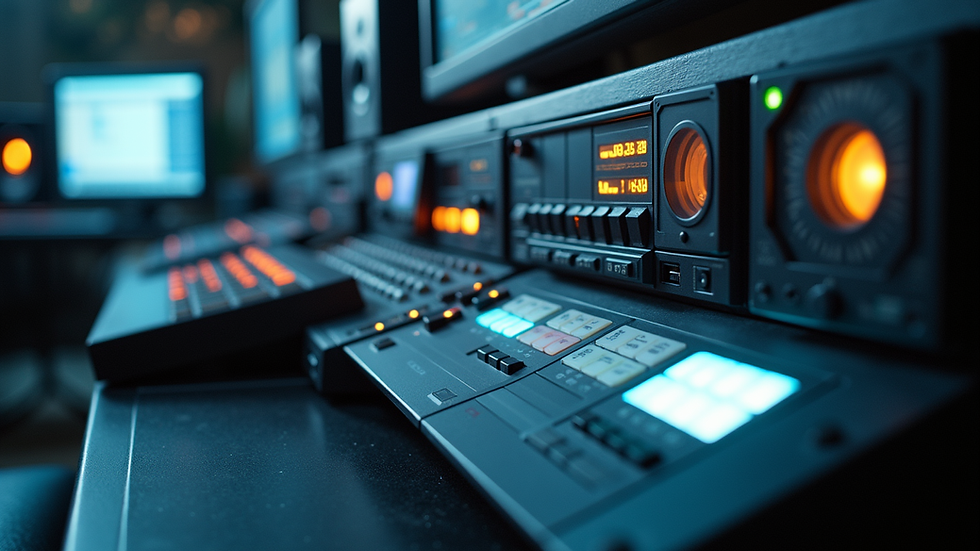
Popular Types of Media Conversion Services
Different types of analog media require specific conversion techniques and equipment. Here are some of the most common services you might consider:
VHS and Camcorder Tape Conversion
VHS tapes were once the standard for home video recording. Today, they are prone to degradation and require digitization to preserve the content. Camcorder tapes, such as MiniDV or Hi8, also need specialized players for conversion.
Process: The tape is played back on a compatible player connected to a digital capture device.
Output formats: MP4, AVI, or DVD.
Benefits: Preserves family memories, old home movies, and business training videos.
Audio Cassette and Reel-to-Reel Tape Conversion
Audio cassettes and reel-to-reel tapes hold music, interviews, or important voice recordings. These analog formats degrade over time and can be converted to digital audio files.
Process: Playback on tape decks with analog-to-digital converters.
Output formats: MP3, WAV, or FLAC.
Benefits: Keeps audio content accessible and prevents loss from tape wear.
Film and Slide Scanning
Old photographic film and slides can fade or get damaged. Scanning these into high-resolution digital images preserves their quality and makes sharing easier.
Process: Using flatbed or dedicated film scanners.
Output formats: JPEG, TIFF, or PNG.
Benefits: Restores and archives precious photographs and negatives.
Photo and Document Scanning
Flat photos and paper documents can be digitized using high-quality scanners. This service is ideal for preserving family albums, business records, and historical documents.
Process: Scanning at high resolution with color correction.
Output formats: PDF, JPEG, or TIFF.
Benefits: Creates searchable, easy-to-store digital archives.
How to Choose the Right Media Digitization Service
Selecting the best service depends on your specific needs, budget, and the type of media you want to convert. Here are some key factors to consider:
Quality and Equipment
Look for services that use professional-grade playback and scanning equipment. This ensures the best possible capture quality and reduces the risk of damage to your originals.
Restoration Options
If your media is old or damaged, ask if the service offers restoration features like color correction, noise reduction, or image stabilization. These can significantly improve the final digital files.
Turnaround Time
Depending on the size of your collection, turnaround times can vary. Some services offer expedited options if you need your files quickly.
File Formats and Delivery
Confirm which digital formats the service provides and how you will receive your files. Common delivery methods include USB drives, DVDs, or secure online downloads.
Pricing and Packages
Compare pricing structures and look for bundled packages if you have multiple media types. Transparent pricing with no hidden fees is important.
Customer Support and Reviews
Choose a service with good customer support and positive reviews. This helps ensure a smooth process and satisfaction with the results.

Benefits of Using Professional Media Digitization Services
Using a professional service offers several advantages over DIY conversion:
Expert handling: Professionals know how to handle fragile media safely.
High-quality results: Advanced equipment captures better audio and video quality.
Time savings: Outsourcing conversion frees you from complex technical tasks.
Long-term preservation: Digital files can be backed up and stored securely.
Convenience: Many services offer pickup and delivery options.
For families, this means preserving irreplaceable memories for future generations. For businesses, it ensures important records and training materials remain accessible and compliant with digital archiving standards.
Tips for Preparing Your Media for Digitization
Before sending your media for conversion, take these steps to ensure the best outcome:
Organize your media: Label tapes, films, or photos clearly with dates or descriptions.
Check for damage: Note any broken tapes or scratched films and inform the service.
Clean media if possible: Remove dust or debris gently to improve playback quality.
Decide on desired output: Know which digital formats and delivery methods you prefer.
Backup originals: If possible, keep a copy of your original media before conversion.
Following these tips helps the service deliver accurate and high-quality digital files.
Final Thoughts on Media Digitization Services
Preserving analog media through digitization is a smart investment in your memories and business assets. By understanding the different types of media conversion services and what to look for, you can make informed decisions that protect your content for years to come.
If you want to explore professional options, consider digital media conversion services that specialize in careful handling and quality results. This approach ensures your analog media is transformed into digital formats that are easy to access, share, and store securely.
Taking action now will help you avoid the loss of valuable content due to media degradation or obsolete playback devices. Whether you have family videos, audio recordings, or important documents, digitization services provide a reliable path to preserving your history and information.
Thank you for reading this media digitization services guide. I hope it helps you understand the options and benefits of converting your analog media into digital formats. If you have any questions or want to start your digitization project, reach out to a trusted local expert who can assist you every step of the way.


Comments